
When did social connection become a “luxury item”?
Every day at the Social Confidence Collective, our team of Occupational Therapists witnesses the transformational power of support that centres social connection as a key ingredient for health and wellbeing.
With a focus on teens and young adults, our OT-facilitated social groups and 1:1 support provide a space for young people to connect and build confidence around others. Many of the young people we work with are multiply neurodivergent, and have experienced significant mental health challenges, school disengagement and disconnection from the social world. Only a few weeks back, we met with a young person who had emerged from their house for the first time in months.
Here, young people can find an inclusive space to connect, belong and thrive. They can receive specialist therapy support to target goals around social confidence, anxiety management, and peer connection, helping them re-engage in community, education or employment pathways.
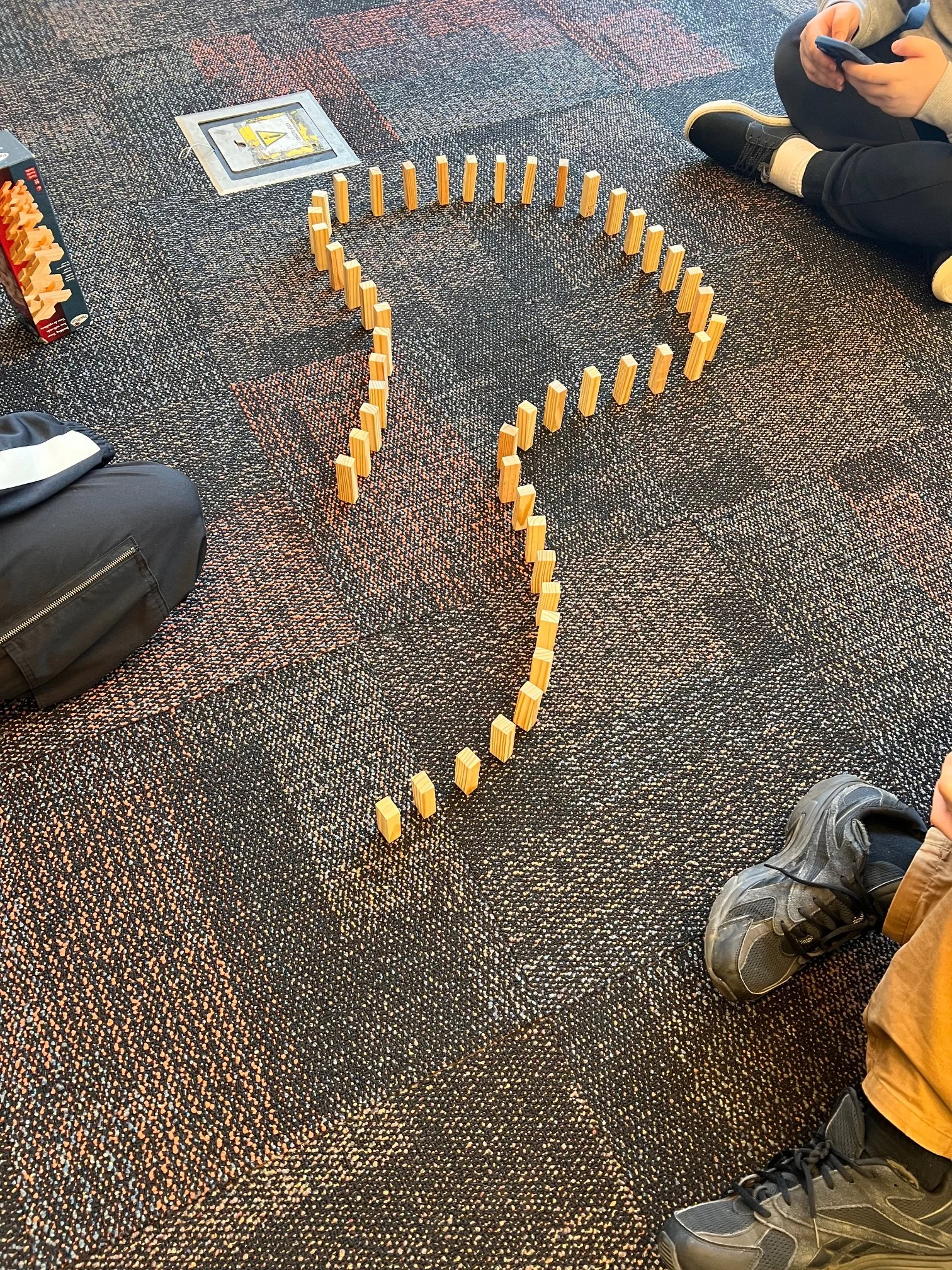
Young people setting up blocks like dominoes
That is why, with this daily experience in mind, we are deeply dismayed by Minister Mark Butler’s NDIS Amendments Bill currently before parliament.
For the purposes of cost-cutting, at least 160,000 Australians are to be axed from the scheme: young people with Autism diagnoses already earmarked as a cohort more likely to be shifted off NDIS support.
This bill would also grant unprecedented ministerial power to slash funding across entire support categories, with zero risk assessment for the individuals involved. Alarmingly, funding allocated for “Social, Civic and Community Participation” has been targeted for 50% cuts within months, with this funding set to be discontinued altogether. This is the very funding that covers services and support workers who help people take part in the community, attend important appointments, do their shopping, build relationships and contribute to society.
Instead, the government has promised to establish a much, much smaller “Inclusive Communities Fund”…which has yet to designed, let alone allocated for varied and appropriate services to be established.
This legislative direction directly contradicts the government’s own strategic policy work. The federal government recently invested millions of dollars into co-designing the National Autism Strategy (2025–2031). Built alongside the Autistic community, that strategy explicitly identified "social inclusion" and "economic inclusion" as absolute priorities required to improve life outcomes. Deciding to halve community participation funding fundamentally undermines the core recommendations of their own framework.
This policy direction also completely ignores the growing mountain of public health research highlighting the risks of social isolation and loneliness.
Social isolation is now recognised globally as a public health emergency- one that carries a greater mortality risk than many well-known factors, such as smoking and obesity. Persistent loneliness is associated with high psychological distress, social anxiety, depression and suicidality.
Those of us who lived in Melbourne during the COVID-19 lockdowns have experienced just a small taste of what prolonged social isolation does to the human psyche- and our health and education systems are still seeing the long-term impacts today in rates of school disengagement and mental ill health.
So let’s be clear: aggressive cuts to social and community participation funding will worsen the health and wellbeing of thousands of vulnerable Australians.
It will create downstream pressure on our already strained public health care system. As NDIS participants lose access to their support workers, we will see more and more families buckle under the strain of increased carer roles- impacts that directly hit their own health, wellbeing and capacity to work.
But more than anything, behind these numbers and budgets are people and relationships. People won’t just lose funds; they will lose long-standing relationships with services and support workers who have become an integral part of their lives.
Investing in social and community participation is not a luxury “extra”, but an evidence based, health promotion investment. Halving funding for existing support before the promised “Inclusive Communities Fund” has been rolled out is dangerous. The design of this promised fund must also ensure NDIS participants have broader choices than disability day programs and sheltered workshops.
The NDIS is not a perfect system, and reform is needed. But giving a minister power to take a sledgehammer to social participation funding is a short-sighted approach to public health. It is one that will increase risk in our community and incur a far greater human and economic cost longer after this budget cycle concludes.